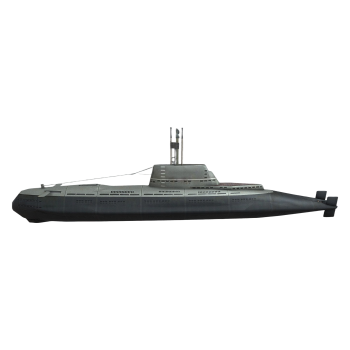
German-style XXIX-H submarine
The Type XXIX-H submarine was an unbuilt scheme submarine designed by Germany during World War II. It was designed to replace the type VIIC submarines that were widely used at the time. The Type XXIX-H submarine was the first to introduce stealth into its design. Its sides and conning tower adopted a polyhedral design similar to that of a F-117 stealth fighter, designed to deflect the active sonar waves of enemy warships.
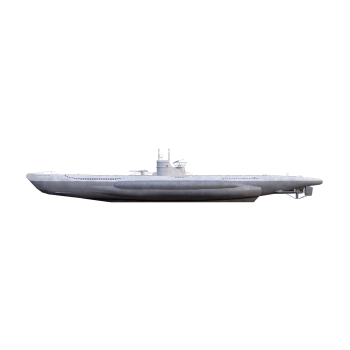
German U-557 submarine
It was a Type VIIC submarine of the German Navy that served during World War II. Built by the Blohm & Voss shipyard, the keel was laid on 6 January 1940, launched on 22 December 1940, and commissioned on 13 February 1941. Led by its commander, OttokarPaulssen, four combat patrols were conducted, sinking six merchant ships and one British light cruiser HMSGalatea battleship. On December 16, 1941, it was accidentally hit and sunk by the Italian torpedo boat Orione west of Crete, killing all the crew.

Brazilian SRiachueloS-40 submarine
It is the first boat of the regular-powered submarine of the Brazilian Navy, the "Liachuero" class, based on the design of the French "Scorpene" class submarine, built in Brazil with the technical support of France. The main dimensions of the hull are 75 meters × 6.2 meters × 5.8 meters, with a surface displacement of about 1709 tons and an underwater displacement of about 1870 tons. Equipped with 6 533mm torpedo tubes, it can launch F21 heavy torpedoes and "flying fish" Block 2 Mod 2 anti-ship missiles, with a total load of 18 missiles. Its service marks an increase in Brazil's naval power, increasing its influence and naval military strength in South America.
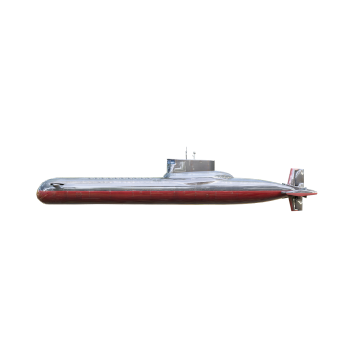
Military submarine
It is a kind of ship that can operate underwater, with concealment and strong strike capability. It is mainly used for military purposes, such as anti-ship, anti-submarine operations, intelligence gathering, mine-making and special operations. There are two main categories: regular-powered submarines and nuclear-powered submarines. regular-powered submarines use diesel engines and battery packs, while nuclear-powered submarines use nuclear reactors as power sources, with the latter having almost unlimited underwater endurance. Key features include its streamlined design to reduce underwater drag and its ability to dive to a depth of hundreds of meters. Equipped with a variety of weapons, such as torpedoes, missiles and mines, capable of striking targets at sea and on land.
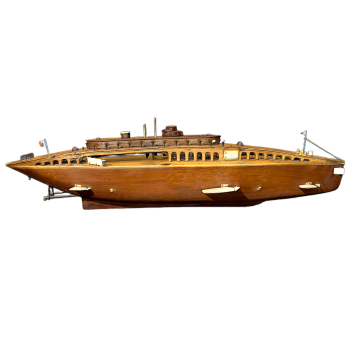
French submarines during World War I
During World War I, French submarines (Sous marin de la Premi è re Guerre mondiale) played an important role in naval battles. At the beginning of World War I, the French Navy had 62 submarines.

Popular Models
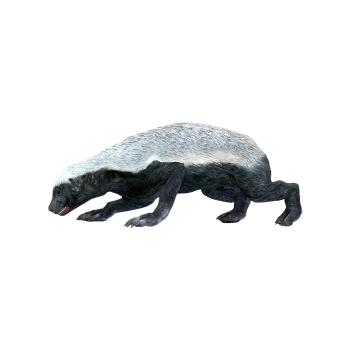
Honey Badger (3D animated model)
192 View
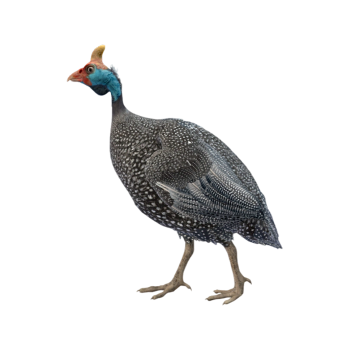
Guinea fowl (3D animated model)
163 View
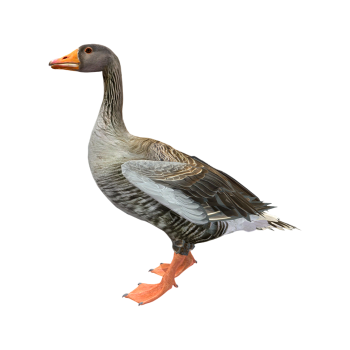
Wild Goose (3D animated model)
185 View

Red Fox (3D animated model)
153 View
Random Model
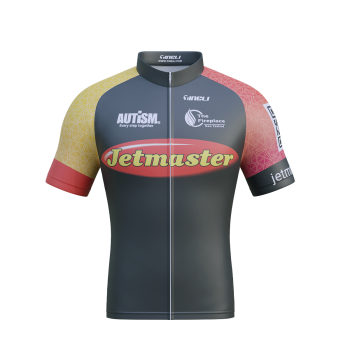
Jetmaster Zip Tee
742 View


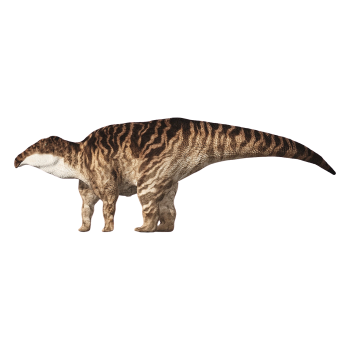
Shandong Dragon (3D animation model)
159 View


Ancient Gandhara Buddha
1272 View

electronic amplifier
890 View